A missed tax deadline happens more often than expected, and the first reaction is usually stress. But the situation is still fully fixable when handled quickly and correctly. What matters most is not the delay itself, but the steps taken right after.
When missed tax deadline occurs, the system starts applying penalties and interest, but there is still time to reduce the damage by filing as soon as possible and clearing outstanding balances.
Instead of overthinking, focus shifts to action because every day after missed tax deadline can increase financial pressure.
What Really Happens After Missing The Deadline
Once missed tax deadline is recorded, the tax system automatically updates the return status as late. There is no manual approval needed for this change, so penalties start building immediately.
Here is what usually gets triggered:
- Late filing status applied automatically
- Interest starts on unpaid tax amounts
- Refunds get delayed or paused
- Notices may be generated for follow-up
Even a short delay after missed deadline can affect processing time and total amount owed.
Penalties that Start Adding Up
Late fees build quietly
After missed tax deadline, penalties do not show up all at once. They increase gradually, which makes the total surprising if left too long.
What gets added
- Late filing penalty based on unpaid balance
- Monthly interest on outstanding tax
- Extra charges for continued delay
- Possible enforcement notices over time
The longer the delay after missed tax deadline, the higher the total amount becomes.
IRS Rules and Why They Matter
When missed tax deadline happens, IRS rules separate two things: filing late and paying late. Both can create different penalties at the same time.
What to keep in mind
- Filing late triggers fixed penalties
- Unpaid tax creates interest charges
- Both continue until resolved
- Longer delays increase total cost
Ignoring missed tax deadline does not stop penalties; it only increases them over time.
Refunds and Account Impact
After missed tax deadline, refunds are not always released immediately. The system may pause them until everything is verified.
What can happen with refunds
- Refunds may be held temporarily
- Extra verification checks may occur
- Processing time becomes longer
- Previous filings may also be reviewed
Even if money is owed back, missed tax deadline can delay access until compliance is restored.
Why Tax Deadlines are Important
Tax systems rely heavily on timing. When missed tax deadline happens, it creates a gap in records that must be corrected before anything else moves forward.
Common causes of delay
- Missing documents during filing
- Forgetting official deadlines
- Last-minute preparation
- Confusion about tax rules
Avoiding missed tax deadline starts with early planning and simple organization habits.
How to Submit a Late Tax Return
Even after missed tax deadline, filing is still possible and encouraged. The system accepts late returns, but accuracy becomes even more important.
Simple steps to follow
- Collect all income documents
- Gather expense records carefully
- Fill forms without missing details
- Submit through official channels
- Review everything before sending
Filing after missed tax deadline is always better than not filing at all.
How to Reduce Penalties Quickly
Once missed tax deadline has already happened, speed becomes the most important factor. The faster action is taken, the lower the total penalty usually becomes.
Smart actions that help
- File Tax immediately without delay
- Pay partial tax if full payment is not possible
- Request installment plans if needed
- Respond to notices quickly
Every step taken after missed tax deadline helps slow down penalty growth.
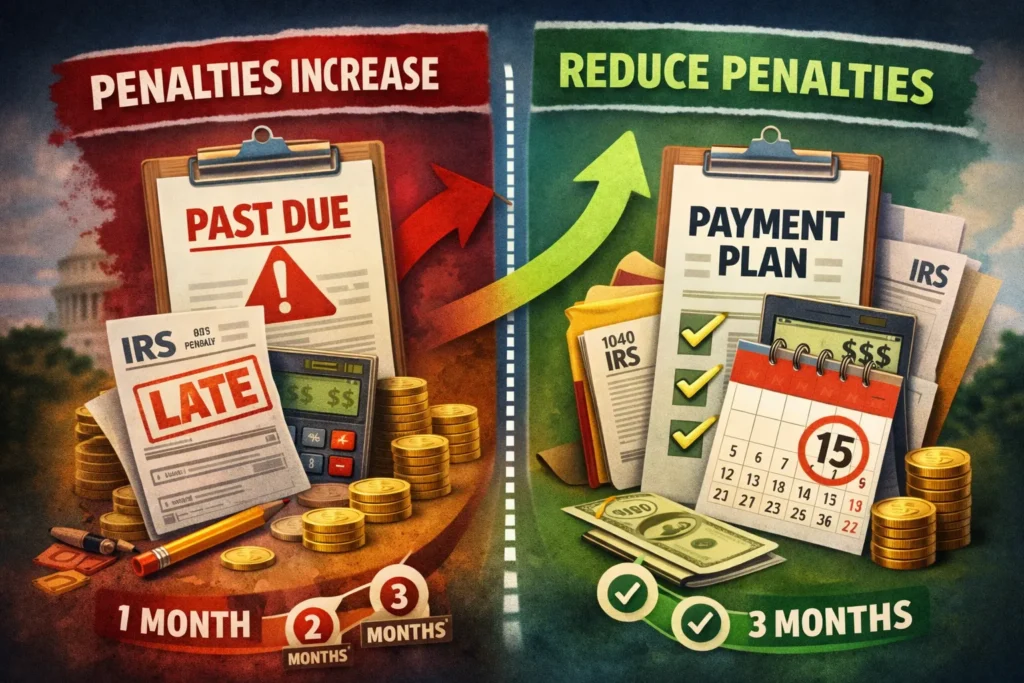
Simple timeline of what happens
Understanding the timeline makes missed tax deadline easier to manage because it shows how quickly penalties grow.
Timeline breakdown
- First few days: late status applied
- First month: interest begins
- 2–3 months: penalties increase
- Longer delay: full review possible
This makes it clear why missed tax deadline should be handled immediately.
What to do next without delay
After missed tax deadline, the focus should be on immediate correction rather than worry. Filing and payment steps should start right away.
Action checklist
- Start filing process immediately
- Organize all financial records
- Submit return as soon as possible
- Clear or reduce outstanding balance
Delaying after missed tax deadline only increases financial pressure.
Conclusion:
A missed tax deadline is not the end of the process, but it does require fast action. The longer the wait, the more penalties and interest continue to grow.
Even after missed tax deadline, taking immediate steps can reduce financial impact and bring everything back into compliance.
Frequently Asked Questions
Do penalties start right away after missing a tax deadline?
Yes, penalties and interest begin shortly after a missed tax deadline, and they continue to grow until the return is filed and any unpaid tax is cleared completely.
Can filing late still reduce total penalties?
Yes, filing after a missed tax deadline can still reduce penalties because the sooner the return is submitted, the less time interest and fees have to accumulate.
What happens if taxes are not paid after missing the deadline?
If taxes remain unpaid after a missed tax deadline, interest continues to grow, and additional penalties may apply until the full balance is cleared or arranged.
Will refunds be affected by a missed tax deadline?
Yes, refunds may be delayed after a missed tax deadline because the system may hold payments until all tax records and filings are verified.
Is it better to file late or not file at all?
Filing late is always better because a missed tax deadline followed by no action leads to higher penalties and possible enforcement actions over time.
Can payment plans help after missing a tax deadline?
Yes, payment plans help manage outstanding tax balances after a missed tax deadline by allowing smaller payments over time instead of a lump sum.
How long do penalties continue after missing the deadline?
Penalties continue after a missed tax deadline until the return is filed and all taxes owed are paid or arranged through an official payment plan.
What documents are needed for late filing?
For a missed tax deadline situation, income slips, expense records, identification details, and prior tax information are usually required for accurate filing.
How can future missed tax deadlines be avoided?
Future missed tax deadline situations can be avoided by organizing documents early, tracking deadlines, and preparing tax returns ahead of filing season each year.